
Getting Steel to Site on Time — What Effective Offshore Logistics Management Actually Looks Like

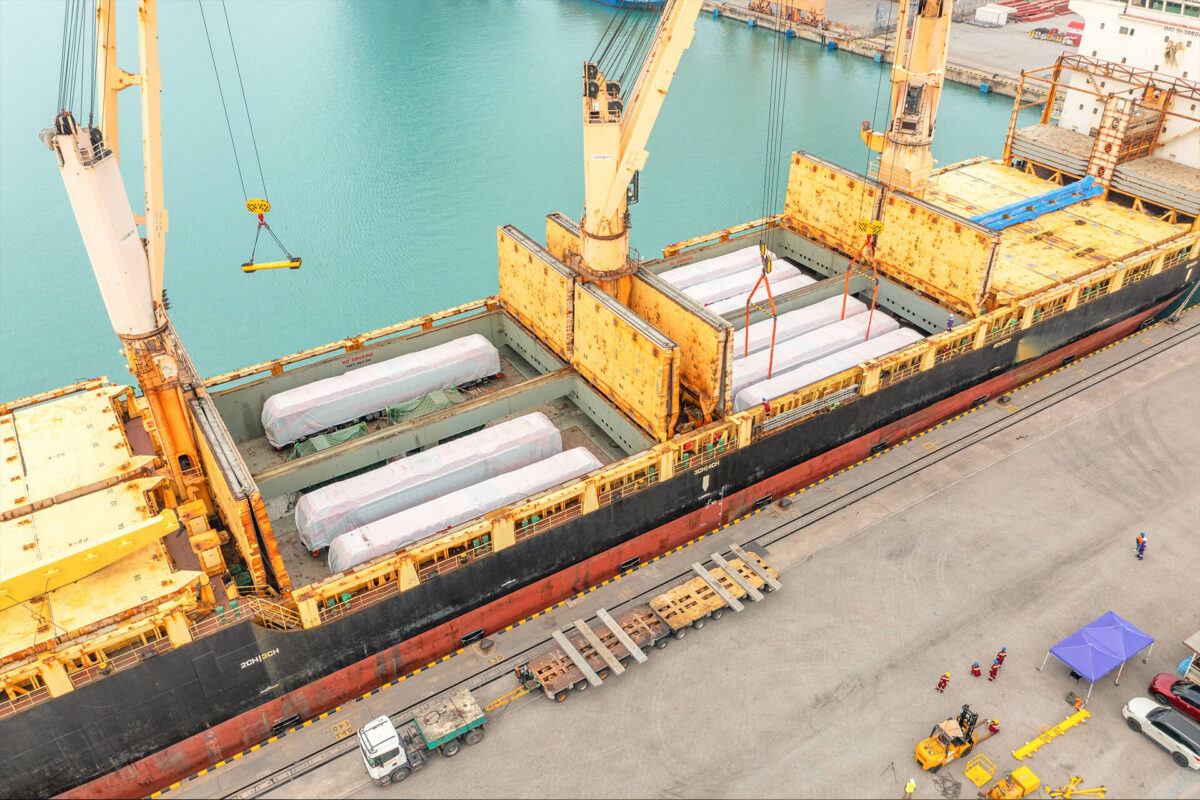
For procurement and project engineering teams, logistics reliability is one of the most significant concerns in offshore structural steel procurement. Here is what effective management of that risk actually looks like in practice.
Of all the concerns that procurement and engineering professionals raise about offshore structural steel supply, logistics reliability is consistently at the top. The consequences of late, damaged or incorrectly sequenced delivery to a construction or mining site are immediate and commercially significant — delayed trades, disrupted programmes and reputational damage that is difficult to recover. Understanding what genuinely effective offshore logistics management looks like is therefore central to evaluating whether an offshore supply arrangement is viable for a programme-sensitive project.
The Complexity Is Real — and Manageable
International structural steel logistics involves coordinating fabrication completion schedules with vessel bookings, managing containerisation or breakbulk decisions for oversized elements, navigating port operations across multiple jurisdictions, meeting Australian quarantine requirements and sequencing delivery to align with site erection priorities. Each variable has the potential to affect programme if not managed proactively and with specialist knowledge.
The distinction between well-managed and poorly managed offshore logistics is not luck — it is planning, experience and established relationships across every point in the chain.
Containerisation and Breakbulk
The first logistical decision on any offshore steel project is how the material will be shipped. Standard structural elements are typically containerised — cost-effective and programme-reliable when container management systems are properly structured. Oversized or heavy elements require breakbulk shipping, demanding specialist coordination, sea-fastening design verification and careful port planning at both origin and destination. Getting this decision right at the outset directly affects both cost and programme certainty.
Port Coordination and Quarantine Compliance
For our Australian projects, port coordination spans Cat Lai in Vietnam through to Fremantle, Port Hedland or Singapore transhipment points. Each port has its own operational requirements and scheduling constraints — experienced logistics management means established relationships and operational knowledge at every point in the chain.
Australian biosecurity requirements add a non-negotiable compliance layer. ISPM15 quarantine compliance, rural and tailgate quarantine inspections and accurate materials documentation all demand specialist knowledge of Australian regulatory requirements and their Vietnamese counterparts. Managed incorrectly, quarantine issues can cause significant delays at the point of entry.
Delivery Sequencing
Perhaps the most operationally critical element is delivery sequencing — ensuring steel elements arrive at site in the correct order for the erection programme. Getting sequencing wrong means steel arrives out of order, creating storage problems, double-handling costs and programme delays that are entirely avoidable with proper planning and close coordination between the logistics team, project engineer and site installation team from the outset.
The Practical Takeaway
For procurement teams, the right question to ask of any offshore supplier is not simply whether they can deliver to your site — it is how they manage every step between the fabrication facility and your site, and what happens when something in that chain needs to be adjusted. The answer will tell you whether you are dealing with a genuinely managed supply chain or an arrangement that transfers logistics risk directly to your project.